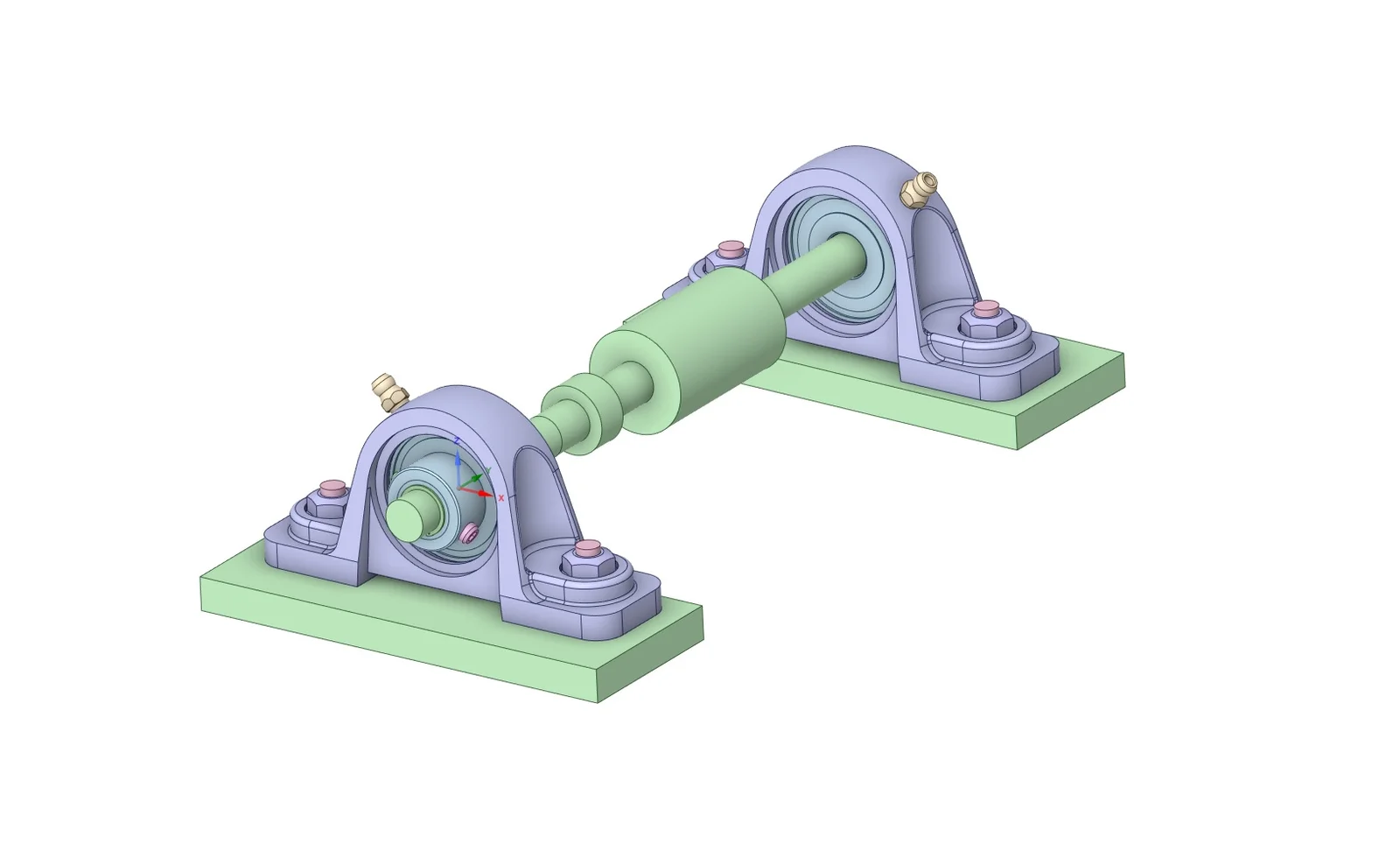
Introduction: From Digital Design to Physical Reality
Creating a 3D model is just the first step in the product development process. To ensure your designs translate seamlessly from digital concept to physical product, you need to consider manufacturability from the very beginning. This approach, known as Design for Manufacturing (DFM), can save significant time, money, and headaches during production.
In this comprehensive guide, we’ll explore five essential strategies that will help you optimize your 3D models for manufacturing, regardless of whether you’re working with injection molding, CNC machining, 3D printing, or other manufacturing processes.
1. Design with Material Properties in Mind
Understanding the properties and limitations of your chosen material is fundamental to creating manufacturable designs. Different materials have unique characteristics that directly impact how your part should be designed.
Key Material Considerations:
- Tensile Strength: Determines how much pulling force the material can withstand
- Flexibility: Affects how the part will behave under stress and what minimum bend radii are possible
- Thermal Properties: Important for parts that will experience temperature variations
- Chemical Resistance: Critical for parts exposed to solvents, acids, or other chemicals
- Surface Finish Requirements: Some materials naturally provide better surface finishes than others
Practical Application:
When designing a plastic housing for electronics, consider the thermal expansion of your chosen material. If the housing will be exposed to temperature variations, design appropriate clearances to prevent stress cracking. For metal parts, consider the material’s work hardening characteristics during forming operations.
Material Selection Best Practices:
- Research material datasheets thoroughly before beginning design
- Consider the entire product lifecycle, not just initial performance requirements
- Consult with material suppliers about specific applications
- Factor in material availability and lead times
- Consider secondary operations that may be affected by material choice
2. Optimize Wall Thickness and Feature Sizing
Proper wall thickness is crucial for both manufacturability and part performance. Too thin, and you risk weak points or manufacturing difficulties. Too thick, and you may encounter issues like sink marks, long cycle times, or excessive material costs.
General Guidelines by Manufacturing Process:
Injection Molding:
- Maintain uniform wall thickness when possible (typically 1-4mm for most plastics)
- Use gradual transitions between different thicknesses
- Add ribs for structural support rather than increasing overall wall thickness
- Consider gate placement and flow patterns
CNC Machining:
- Ensure minimum wall thickness can be achieved with available tooling
- Consider tool access and clearance requirements
- Design features that can be machined in minimal setups
- Avoid deep, narrow pockets that require specialized tooling
3D Printing:
- Follow printer-specific minimum feature size guidelines
- Consider support structure requirements for overhangs
- Design self-supporting features when possible
- Account for layer adhesion direction in structural elements
Advanced Wall Thickness Strategies:
Use simulation tools to analyze flow patterns in injection molding or stress distributions in mechanical parts. This data-driven approach helps optimize wall thickness for both manufacturability and performance.
3. Incorporate Proper Draft Angles and Undercuts
Draft angles are essential for parts that need to be removed from molds or machined cavities. Proper draft not only facilitates part removal but also improves surface finish and extends tool life.
Draft Angle Guidelines:
- Injection Molding: Minimum 0.5° per side, with 1-3° being typical
- Die Casting: 1-3° minimum, depending on part depth
- Sand Casting: 3-5° or more, depending on pattern complexity
- Machining: Consider tool taper and spindle deflection
Managing Undercuts:
Undercuts can significantly increase manufacturing complexity and cost. When undercuts are necessary:
- Evaluate if the undercut can be eliminated through design changes
- Consider secondary operations like machining or assembly
- Design for side actions or slides in molding applications
- Use collapsible cores for internal undercuts when possible
Alternative Design Strategies:
- Split parts to eliminate undercuts
- Use snap-fit assemblies instead of integral features
- Design removable components for complex geometries
- Consider post-processing operations like ultrasonic welding
4. Plan for Tolerances and Fit Requirements
Tolerance planning is often overlooked in early design phases but is critical for manufacturable designs. Understanding the capabilities and limitations of your chosen manufacturing process helps you specify realistic tolerances that balance functionality with cost.
Manufacturing Process Capabilities:
CNC Machining:
- General tolerance: ±0.005″ (±0.13mm)
- Precision tolerance: ±0.001″ (±0.025mm) with additional cost
- Surface finish: 32-125 μin Ra typically achievable
Injection Molding:
- General tolerance: ±0.002-0.005″ per inch
- Precision molding: ±0.001″ possible with premium tooling
- Consider shrinkage variations across part geometry
3D Printing:
- FDM: ±0.005″ (±0.13mm) typically achievable
- SLA/SLS: ±0.002″ (±0.05mm) for small features
- Consider layer height and orientation effects
Tolerance Optimization Strategies:
- Apply the loosest tolerances that still meet functional requirements
- Use geometric dimensioning and tolerancing (GD&T) for complex relationships
- Consider assembly sequence and cumulative tolerances
- Plan for secondary operations if tight tolerances are required
- Document critical dimensions clearly for manufacturing teams
Fit and Assembly Considerations:
Design clearances appropriate for your manufacturing process and assembly requirements. Consider thermal expansion, wear, and lubrication requirements when specifying fits between mating parts.
5. Consider Assembly and Post-Processing Requirements
Designing individual components is only part of the challenge—successful products require careful consideration of how parts will be assembled and what post-processing operations may be necessary.
Assembly-Friendly Design Features:
- Alignment Features: Include pins, slots, or chamfers to guide assembly
- Access Clearances: Ensure tools and hands can reach fasteners and connection points
- Visual Indicators: Design features that make correct assembly obvious
- Mistake-Proofing: Use asymmetric features to prevent incorrect assembly
Fastener and Connection Strategy:
Choose fasteners and connection methods that balance assembly time, disassembly requirements, and manufacturing cost:
- Minimize the number of fastener types and sizes
- Consider snap-fit connections for permanent assemblies
- Design for standard tools and equipment
- Plan for serviceability if maintenance is required
Post-Processing Planning:
Many parts require post-processing operations to meet final specifications:
Surface Finishing:
- Design surfaces that can be efficiently finished
- Consider masking requirements for selective finishing
- Plan for fixturing during finishing operations
- Specify appropriate surface textures for functionality
Secondary Machining:
- Design reference surfaces for consistent setup
- Minimize the number of setups required
- Consider how clamping forces will affect part geometry
- Plan for material removal and chip evacuation
Quality Control Considerations:
Design features that facilitate inspection and quality control:
- Include accessible datums for measurement
- Design test features for functional verification
- Consider non-destructive testing requirements
- Plan for statistical process control measurements
Implementation Strategies
Early Collaboration:
Involve manufacturing engineers and suppliers early in the design process. Their expertise can help identify potential issues before they become costly problems.
Prototyping and Validation:
Use rapid prototyping to validate manufacturability assumptions and test assembly procedures before committing to production tooling.
Design Reviews:
Conduct formal design reviews with cross-functional teams including manufacturing, quality, and assembly personnel.
Continuous Improvement:
Collect feedback from production and incorporate lessons learned into future designs.
Conclusion
Optimizing 3D models for manufacturing requires a holistic approach that considers material properties, manufacturing processes, assembly requirements, and quality specifications from the earliest design stages. By following these five essential strategies, you can significantly reduce development time, manufacturing costs, and production risks.
Remember that manufacturability is not just about making parts that can be produced—it’s about designing parts that can be produced efficiently, consistently, and cost-effectively while meeting all performance requirements.
At SimuTecra, we specialize in design for manufacturing services that help our clients bring products to market faster and more efficiently. Our experienced team can review your designs and provide recommendations for improved manufacturability across a wide range of production processes. Contact us today to learn how we can help optimize your next product for successful manufacturing.
Leave a Reply